

Anger Management Therapy Services
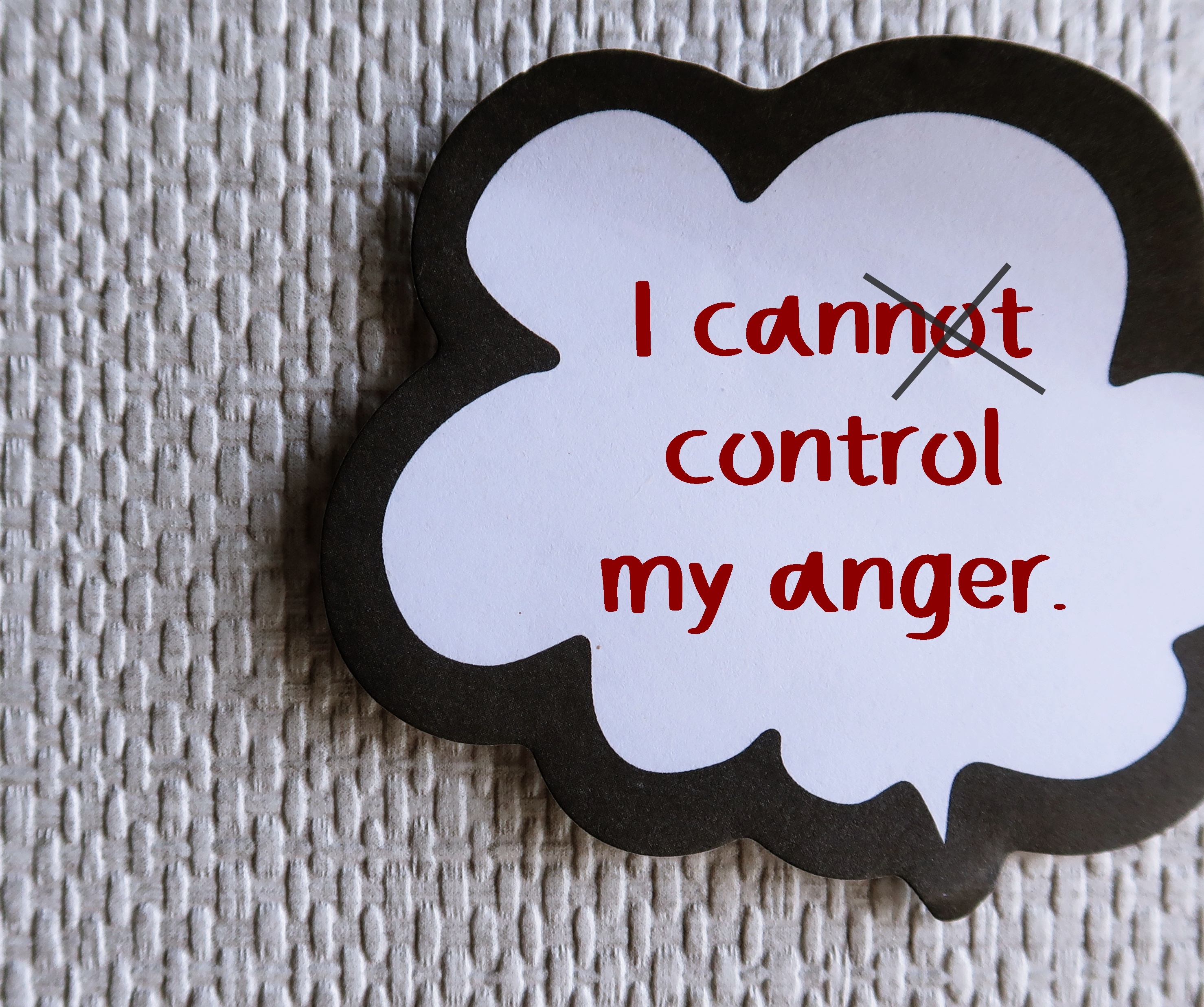
What is Anger Management?
We’re all familiar with anger, that spicy little emotion that can have us seeing red from time to time. Anger is typically a completely normal and human response, but sometimes it goes beyond what is typical. Some people struggle with their anger, finding themselves set off by small, seemingly inconsequential things. Once this anger becomes uncontrolled it can cause damaging effects to your life. This cycle can be disrupted through anger management. Anger management involves science-backed techniques aimed at reducing both the emotional and physiological impact that anger has on a person. While we can’t always change what’s going on around us, we can alter our thoughts and reactions to live a more peaceful life.
Signs of an Anger Issue
Anger has an impact on both the emotional and physical well-being of a person. When someone gets angry, they not only feel it and think about it – their body reacts to it. This is bad both short and long term, with chronic anger being linked to an increase in cardiovascular disease and high blood pressure. Anger comes through in many ways – from mild frustration to blind rage – but how can you tell if your anger has become a problem? Here are some signs and symptoms to consider when determining if anger is overtaking your life:
- Frequent irritability and frustration
- Feelings of rage
- Excessive stress
- Feeling overwhelmed
- Withdrawal
- Difficulty concentrating
- Verbal outbursts
- Impulsive behavior
- Flushed face
- Tensed muscles
- Increased heart rate
- Increased blood pressure
- Restlessness/Pacing
- Physical aggression (hitting things, slamming doors, etc)
- Negative impact on relationships, career, and self-esteem
It’s okay to feel anger sometimes, but when it becomes frequent or is not proportional to the trigger, it may be time to consider help.
How Anger Is Assessed
Anger itself is not a diagnosis – it’s just an inevitable human emotion. If anger is a problem for you, odds are you’re already aware. Contacting an experienced, professional therapist like those at Peak Psychological Services is the next step to determine the best ways to work through it for you. Through a series of questions and conversations, we will determine if there are any co-occurring conditions or underlying issues that need to be addressed as well.
What Anger Management Looks Like
Anger can affect anyone of all ages and demographics while presenting itself in a number of different ways. Addressing anger problems is highly individualized using a person’s personal triggers, reactions and history to help guide treatment. Using proven techniques, the right therapist can help you work through problem areas while teaching tools to cope and reroute reactions. The standard treatment for anger is Cognitive Behavioral Therapy (CBT), used to help a person recognize their negative thought patterns to help choose a different outcome. For families struggling with anger problems, family therapy can also be helpful. Through therapy, we can help you:
- Identify triggers
- Recognize warning signs
- Disrupt negative thought patterns
- Learn effective coping skills
- Learn relaxation techniques
- Practice conflict resolution
- Understand yourself better
Anger Management Treatment in Colorado
Uninhibited anger can cause a multitude of issues that can extend into every aspect of your life. It can perpetuate a cycle that includes reaction, regret and guilt. If you’re struggling with anger, know that you don’t need to feel ashamed – you’re not alone. There are ways to curb your strong feelings and reactions in a way that is healthy and long-lasting – and we’d love to help you through it. If you’re ready to take control of your anger, contact Peak Psychological Services today.
Anger Management Related Blogs